izdvojeno
Kokos
Tresnje
Narandza
Latest News
Shitaki Gljive – Latinski Lentinula edodes
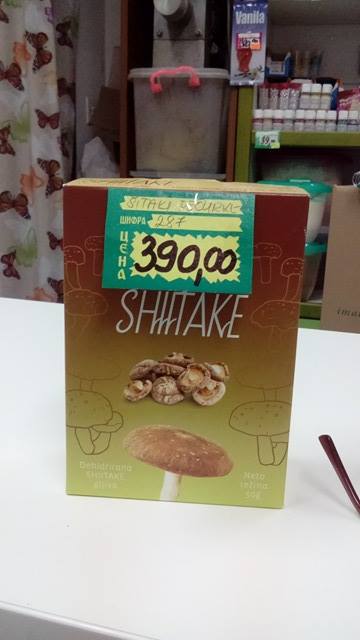 Konačno da počnem da koristim ovu gljivu u ishrani, pa da i vama napišem o njoj nešto bitno.
U svežem obliku valja je naći na pijaci ili prodavnici i spremiti zdrav i ukusan ručak. Moja poznanica koristi ovu gljivu vec 12 godina, jer joj pomaže za imunitet i dobro zdravlje nakon operacije tumora. Ona koristi suvu gljivu, upravo ovu sa slike, na kojoj ima i cena u dinarima. Nešto povoljnije se može naći na oglasima. Read More…
Moj Jutarnji Caj
 Moj jutarnji čaj danas baš mi je prijao. Volim da mi čaj lepo miriše, pa zato koristim one biljke koje su i lekovite i mirisne, naravno-u kombinaciji s drugima. Jutros sam prokuvala par minuta koricu osušenog nara i malo semena korijandera. Nar ubija sve bakterije, a mirisno seme korijandera čisti otrove iz tela. Dodala sam i malo lista mog matičnjaka. Često stavim umesto matičnjaka malo lavande, jer ona i miriše i tera bakterije. Nakon nešto manje od pola sata čaj procedim i dodam kašičicu meda i ceđenog limuna.
Postoje i kvalitetni kupovni čajevi npr. Herba Medica anti stres čaj, ali mnogi drugi su samo reklama. Ja ipak najviše volim moj domaći čaj.
MED, ALI MANUKA
Moj bratanac mi je doneo na poklon manuku med iz Australije. Tako sam dobila priliku da probam i koristim najcenjeniji med na svetu. Njegov miris i ukus su me podsetili na medene bombone iz mog detinjstva, pa me je oduševio.
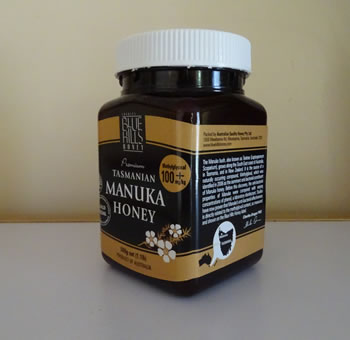 Australijske pčele sakupljaju nektar s rascvetalih grmova biljke manuke , latinski-Leptospermum polyalifolium. Sad vidim reklamu s Đokovićem, koji koristi ovaj med. Ovaj med ima dejstvo i na najotpornije bakterije kojima i najjači antibiotici ništa ne mogu i ne dozvoljava im da se lepe na tkiva u našem telu. Manuka zaceljuje i veće rane i opekotine i to direktno da se nanosi, pa pomaže i obnovi tkiva i kože. Leči čir na želucu, jer uništava opasnu bakteriju Hellicobacter pylori, koja svojim dužim delovanjem izaziva kancer. Manuka sadrži organske kiseline , sve vitamine B skupine, beta karoten, vitamin A, C i druge, pa minerale u tragovima itd. Koristi se kod lečenja disajnih puteva: bronhitisa, laringitisa, sinusitisa i obolelog uva. Korištenjem ovog meda povećava se imunitet i superbakterije mu ništa ne mogu. Ja sam dobila manuku med s faktorom 10, što je jačina antiseptika fenola 10%. Glavni antibakterijski sastojak je metilgioksal. Svaki med osim manuke sadrži vodonik-peroksid, a to zahvaljujući pčelama koje uzimaju nektar s manuke grma, sišući i spremajući lek za nas. Najveći manuka faktor je 18, a on ima i najjače dejstvo kod lečenja. Moj med iz Australije nema faktor 18, ali je također jako efikasan u lečenju i prevenciji bolesti.
Koristim ja rado i med od naših pčela, koje baš u mojoj ulici medonose, a ja ih svaki dan srećem kako vredno lete s cveta na cvet. Med od bagrema, lipe i s livade, pa još sa saćem, to je melem za dušu. Upravo takav također koristim, a kupujem ga od moje dobre prijateljice. Samo što znam da je naučno dokazano da je upravo manuka med s Novog Zelanda i Australije najlekovitiji. Za svoje zdravlje kupujmo najbolje.
Prolece u Novembru
Pročitala sam zanimljiv članak, koji me je postakao da razmiljam o ovoj temi.
Maslačak cveta u Novembru, kao da je Maj…
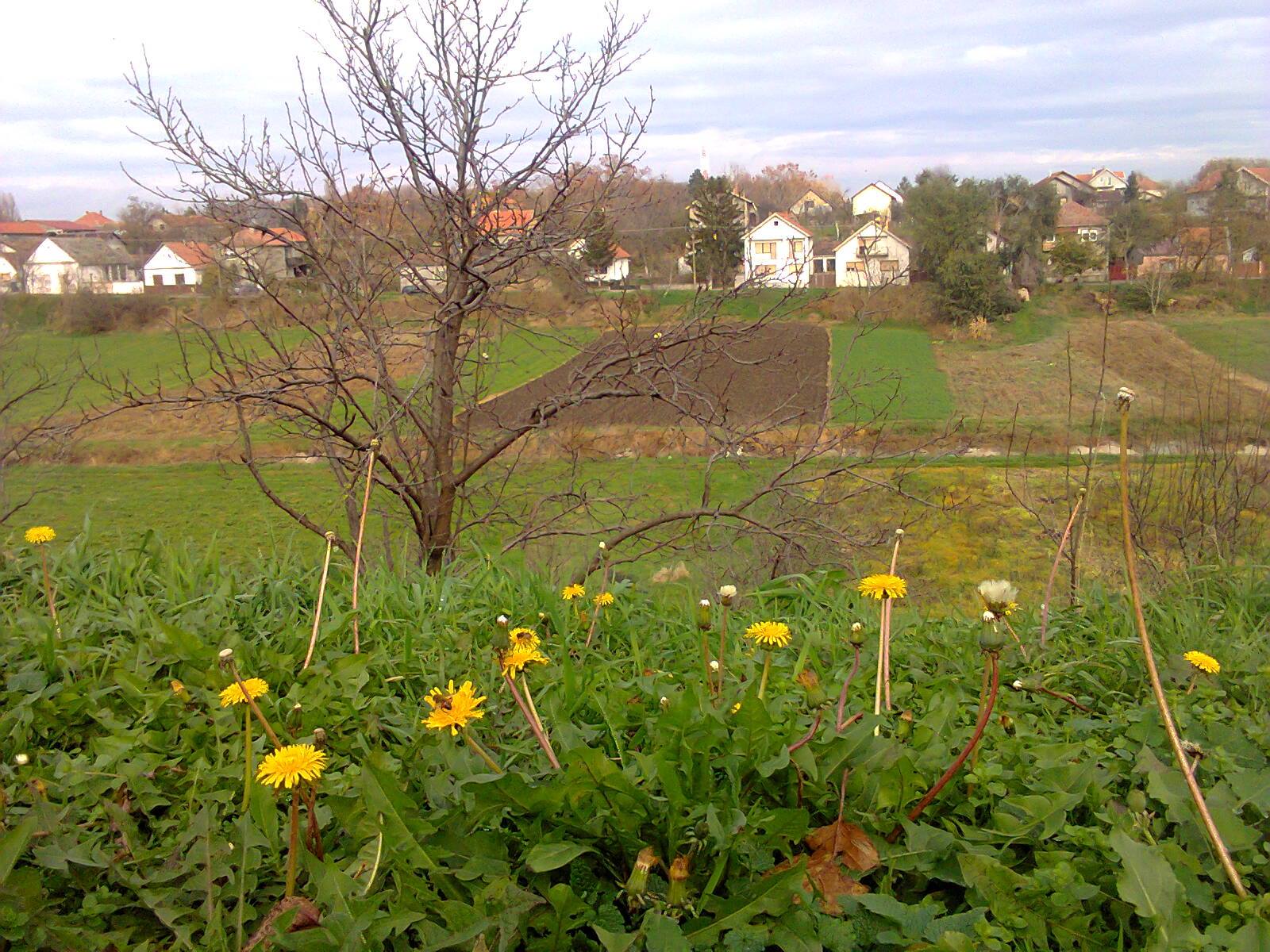
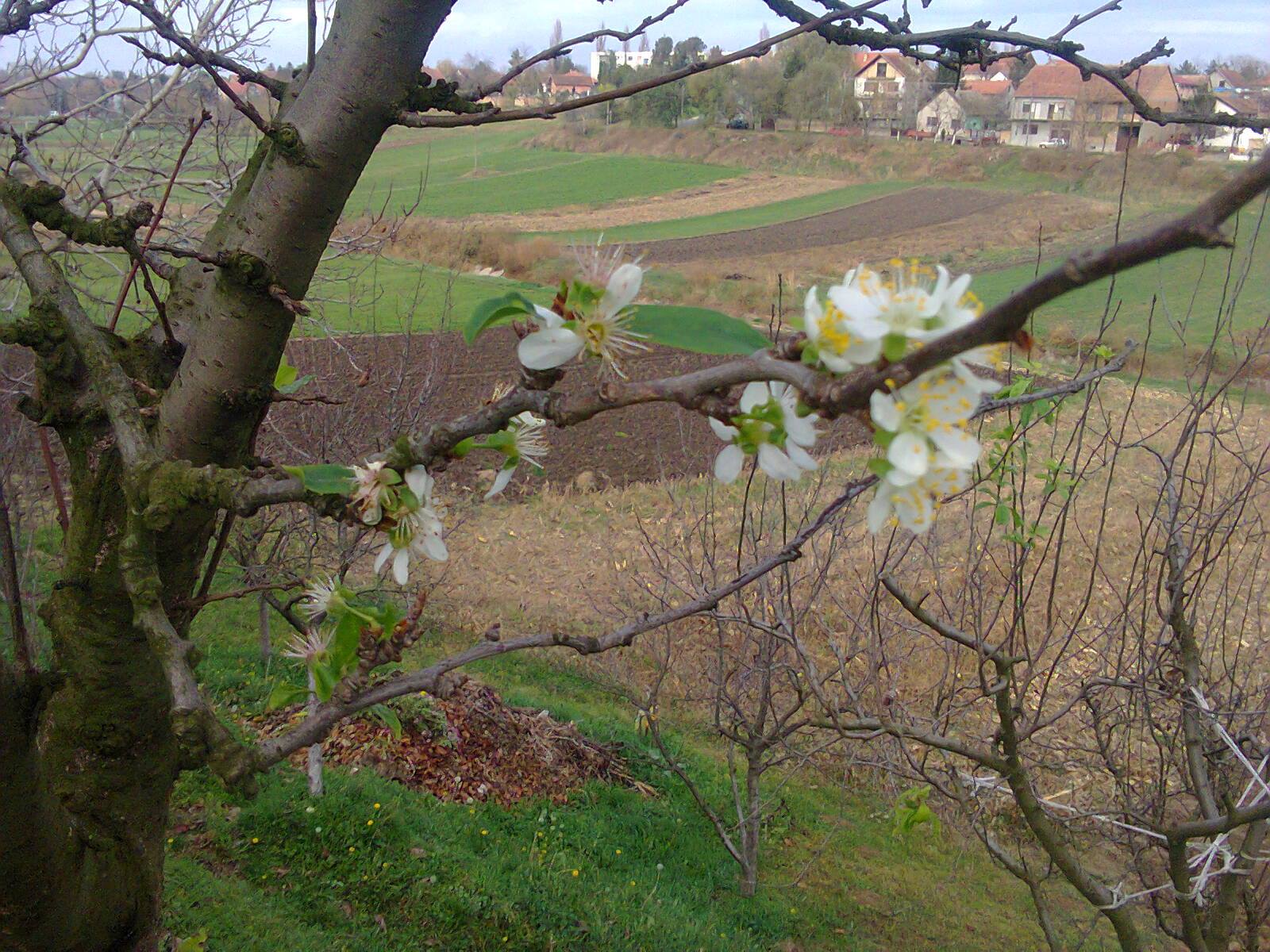
Šljive cvetaju u našoj ulici u novembru, kao u proleće.
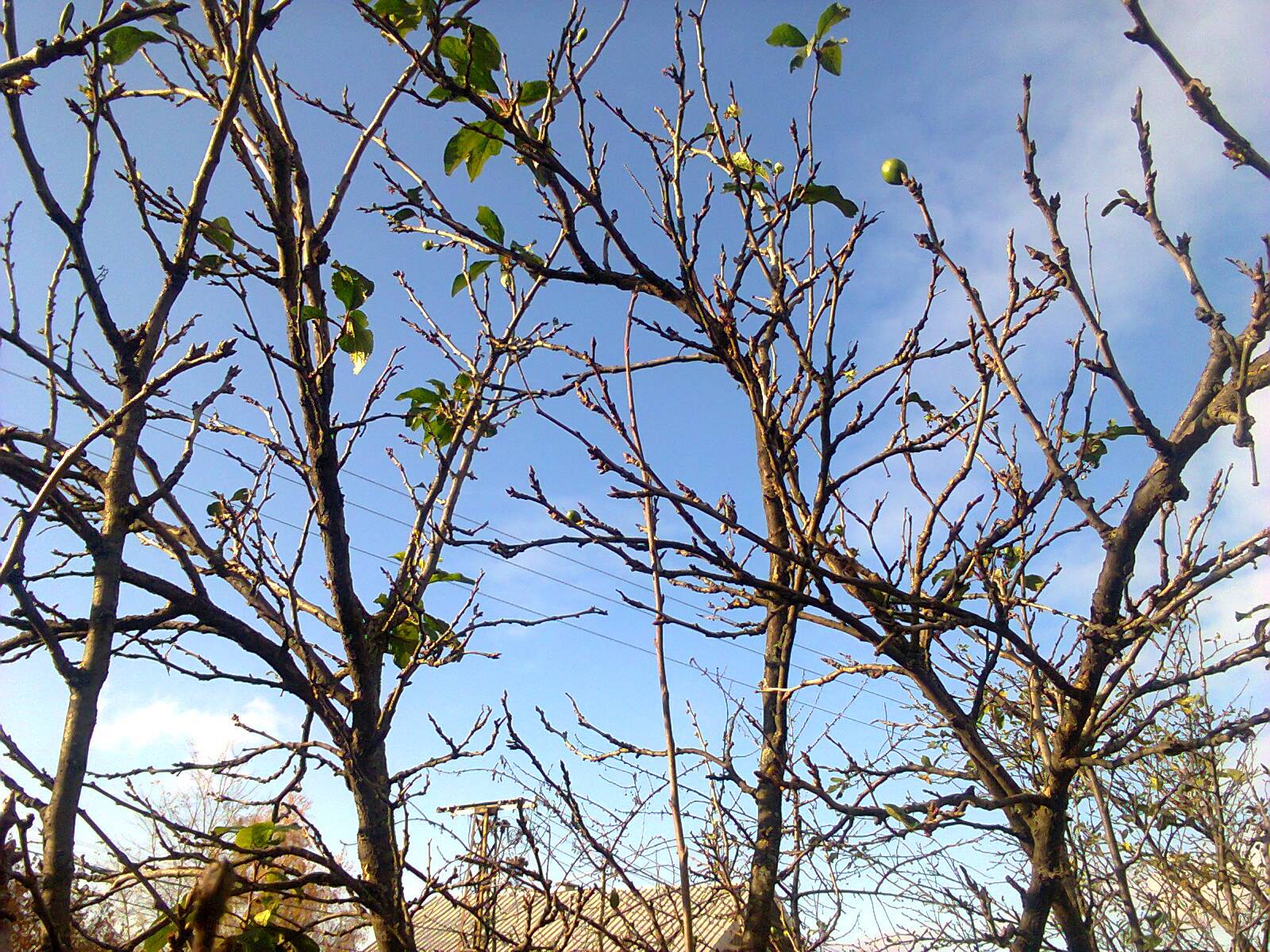
Plod nekih šljiva je porastao,još malo da i sazri.
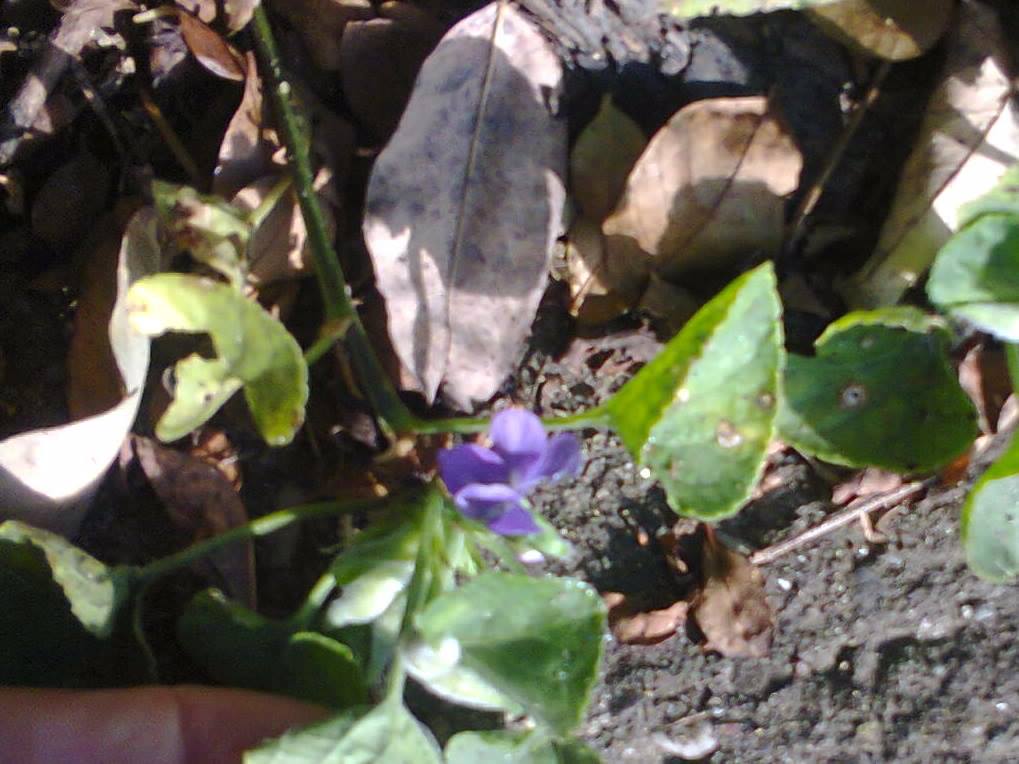
i ljubičica cveta sredinom novemra, kao u proleće.
Sve ove slike sam stavila kao primer koliko sunce i njegova toplota deluju na biljni svet. Kakav uticaj na ljude ima ova promena naše klime, možda ćemo osetiti vremenom. Moj životni moto je da treba što više da se krećem, da na taj način pokrećem sve tačke na stopalu koje utiču i na moje unutrašnje organe i olakšavaju rad celog organizma. Možda stoga i ne osećam previše ovu suviše blagu klimu u novembru i ostale popratne pojave. Ipak mi jeste neobično da cveta i jorgovan, ljubičica, voćke u ovo doba.
Volela bi da čujem mišljenje astrologa o delovanju sunca i uticaja zvezda na naše telo u ovoj izmenjenoj klimi. Hoćemo li uspeti da se lako adaptiramo na promene koje nam dolaze s promenom klime?
MOJA MAST OD GAVEZA
Lekovita mast od gaveza našla se i u mojoj kućnoj apoteci. Gavezov koren izvadila sam relativno lako,jer je zemlja pored kanala bila meka i vlažna. Procvala zova,bagrem zadiše mirisnim cvetovima,a biljni svet oko kanala raskošan i lep. Gavez u cvatu,visine preko pola metra,sa svojim krupnim,dugim listovima,dlakavim i neprijatnim na dodir i cvetovima purpurno ljubičaste boje. Korenje sam lepo oprala,posekla donji čvornovati deo,a ono ostalo sam isekla sitno i ispržila u svinjskoj masti. Prethodno sam mast oprala iz samo jedne vode,ali ja mislim da je i to dovoljno,jer je mast sveža i čista. 250 grama masti sam stavila na srednju vatru zajedno s usitnjenim gavezovim korenom,težine korena oko 200 grama. Par minuta sam sve ovo propržila,mešajući na srednje jakoj vatri. Ostavila sam da stoji do sutradan,a zatim ponovo zagrejala. Zatim sam procedila i ostavila u staklenu teglu. Nakon što se ohladila,mast od gaveza stajaće u tegli u frižideru.
Dakle,ova mast lečiće sve ono što bude trebalo. Počevši od bilo kakve povrede tkiva,kosti,zgloba,reumatičnih bolova i još mnogo toga.
Ostatak korenja posadiću u bašti i imaću gavez i za ukras i za lek. Jer,listovi gaveza su lekoviti i njime se može oblagati bilo koji bolni deo tela. Naravno,listovi se prvo izvaljaju nekom oklagijom ili slično,a potom se stavljaju gde treba.
Vidim razne recepte s gavezom u čaju. Ja ga neću piti kao čaj,jer on može štetno da deluje na jetru,pa umesto njega koristiću neki manje rizičan.
Umesto čaja,koristiću ga u vidu masti ili gela za vanjsku upotrebu.
REN, lat.COCHLEARIA ARMORACIA, POMAŽE KOD SINUSA
Davno sam čula da je ren dobro saditi ispod voća,jer on štiti voće od raznih štetočina. Tako sam odmah nabavila koren rena i posadila ga ispod višnje i trešnje. Velikih zelenih listova,širi se lepo oko voćke i time je i štiti. Koren rena može da se vadi od proleća do zime i koristi u ishrani. Ja narendam koren rena i začinjujem njime salatu od cvekle,pa tako cvekla dobije prelepu aromu i ljutkast ukus,što je čini jako ukusnom. I,naravno još lekovitijom. U svim prodavnicama u Srbiji ima rena u teglicama i tubama,samog ili s drugim začinima. Lekovitost rena je poznata od davnina,pa nije čudo da je omiljen i kod nas. Tko je rendao sveži koren rena vrlo dobro zna kako je jak njegov i miris i ukus. Ukus rena je ljutkast,a miris prodoran, za sinuse lek.
C vitamin je u svežem renu bogato zastupljen,a minerali kao kalijum,gvožđe,kalcijum i fosfor.
Ren i beli luk zajedno,dobro je da jedu starije osobe,jer ovo pomaže krvnim sudovima.
Ljutina i miris rena dolazi iz materije sinigrin,što ga čini specifičnim. Sinusi se očiste pomoću rena i to tako što se koren narenda i zagreje u nekoj posudi,pa se udiše para koja izlazi iz njega. Dobro je tada glavu pokriti peškirom i udisati paru 5 do 10 minuta. Ovo valja činiti pred spavanje,uveče. Obavezno pokriti glavu pri spavanju,da bi dejstvo rena bolje delovalo. Nakon par dana sinusi će se početi čistiti i napokon i očistiti.
Tko ima reumu neka jede ren,astmatičari neka ga jedu narendanog s medom.
NEDOSTATAK KALIJUMA U ORGANIZMU
 Konstantan umor i pored dovoljno spavanja može biti znak nedostatka kalijuma u našem organizmu. Kalijum pomaže pravilnom funkcionisanju naših nerava, a nedovoljnim unošenjem ovog elementa u organizam dođe do utrnulosti i peckanja i ruku i nogu. Mogu se javiti grčevi u želucu i nadimanje, što ni malo nije prijatno. Bolovi i grč se mogu javiti i u mišićima. Kalijum pomaže da nam se krvni sudovi šire,pa ne dolazi do velikog porasta krvnog pritiska.
Preslana jela moramo izbegavati,jer je upravo to razlog što se kalijum gubi,odnosno izluči iz tela. Vrtoglavica,ubrzan rad srca,preskakanje srca, također mogu biti simptomi nedostatka kalijuma u organizmu.
Kalijum se nalazi u bananama,belom pasulju,dinjama,čaju od maslačka itd,pa ih valja koristiti. Ipak ni ovo ne može pomoći ako jedemo stalno preslana jela.
Znači, da bismo bili zdraviji treba izbegavati preslana jela,a jesti namirnice bogate kalijumom.
GAVEZ MI JE POMOGAO
Gavez je biljka koju izuzetno cenim zbog posedovanja lekovitog dejstva u koji sam se sama uverila u dva maha i to lično. Ova biljka mi je bila poznata iz botanike, s fakulteta. Latinski naziv Symphytum officinalae. Biljka naraste u visinu preko pola metra,listovi su joj dugi i čupavi,a cvetovi grozdasti lepe purpurno-ljubičaste boje.
 Prvi put sam pomoću gaveza izlečila povređenu ruku,tačnije desnu ruku od ramenog zgloba do lakta i niže. U prvoj pomoći mi je namešten rameni zglob,a potom sam samo mazala jakom rakijom,u početku,a zatim samo gelom gaveza. Gavez gel mi je izlečio rameni zglob,sve podlive i hematome na ruci i bolove mi umirivao. Moja ruka je bila modro plave boje od pada, jer sam laktom desne ruke “kočila” da ne odletim na cestu. Ruku nisam mogla da podignem do ramena jedno vreme nikako. Vremenom,svakodnevno mažući gelom gaveza uspela sam da izlečim moju ruku potpuno. Kako je to gel gaveza pomogao? Odgovor je jednostavan:alantoin,sastojak u gavezu leči tako što obnavlja tkiva i pomaže stvaranje novih ćelija jako brzo.Tako leči i hematome,pomaže obnovu u zglobu i ranama. Ožiljci zarastu i nestanu,što zaista raduje.
Drugi put mi je pomogao gavez u lečenju palca desne ruke. Palac sam povredila u zglobu tako da s njim nisam mogla ništa da prihvatam. Jako gadno,jer ruka bez palca ne može mnogo da nešto uradi,ne možeš ništa da držiš. Opet sam mazala gelom gaveza,ne štedeći,da što pre ozdravim palac desne ruke. Nakon desetak dana potpuno sam izlečila palac,kao da nikad nije bio povređen.
Moram da upozorim one koji možda požele da piju čaj od gaveza da to čine oprezno. Ovim čajem može da se ozledi jetra, pa ga treba izbegavati piti.
Juče sam u Sasama,pored kanala iskopala korenje gaveza pa ću od njga napraviti mast koja će biti isto lekovita kao gel iz apoteke.samo što će ovo biti domaći lek iz moje apoteke.
HAJDUCKA TRAVA
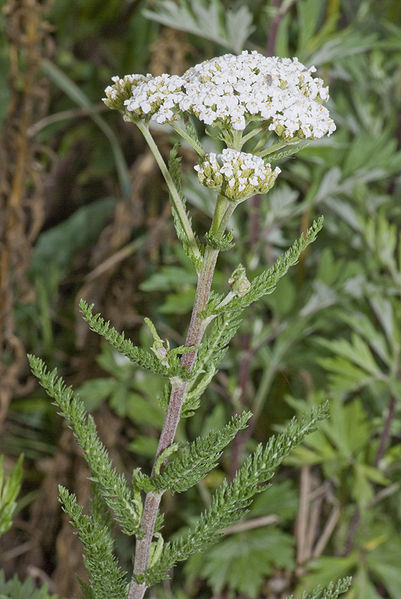 Hajdučka trava, hajdučica, kunica, stolisnik, latinski Achilea millefolium, u mom rodnom kraju je zovu i petrovsko cveće itd. U mome ranom detinjstvu ova biljka mi je već bila poznata i brala sam je uvek s nekim strahopoštovanjem. Priče o hrabrim junacima hajducima bile su mi drage i rado sam ih slušala, pa sam i hajdučku travu gledala kao nešto jako dobro jer je lečila rane hrabrih junaka. Samo na Ivandan ova biljka se stavljala u venac od ivanjskog cveća i tada je moja baka govorila da je to petrovsko cveće i da valja da se i ono stavi na ivanjski venac. Ovakav venac svake godine pletem i stavljam na moju kapiju, pa mi se i sama hajdučica posejala tik ispod venca. Tako sad svake godine imam svoju hajdučicu, koja mi leti cveta belim cvetovima i njima kitim ivanjski venac. Hajdučica koja cveta roze cvetovima je lekovitija od ove belih cvetova, pa kad god sam u prilici da je nađem, tad je uberem i sušim za čaj.
Na Fruškoj Gori sam videla toliko mnogo procvale hajdučice, lepih krupnih cvetova i oduševila se. U nekim krajevima ime joj je stolisnik, jer ima stotinjak sitnih perastih listova, a cela biljka miriše, posebno cvetovi. Ne naraste mnogo više od pola metra, ponekad do 70 cm.
Lekovita gorka materija u hajdučici zove se ahilein, jer se njome lečio grčki junak Ahilej. Sadrži i ahiletin, flavonide, minerale, vitamin K, lekovita etarska ulja, mentol, limonen, taninske smole, salicilnu kiselinu i td.
Hajdučica pomaže kod probave, kod gastritisa, angine pektoris, kod bolova u leđima, gihta, kod gripe, žutice, zatvora, nadimanja, lupanja srca, nervoze, nesanice, kod povišenog krvnog pritiska, dobra je za bubrege, kod žuči, protiv reume, šećerne bolesti, leči čireve i bradavice. Držimo li je potopljenu u vodi neko vreme, pa time skidamo bradavice, leče se kožne bolesti i čirevi, kao i otvorene rane, pa psekotine i opekotine.
Čaj od hajdučice pijem obično s nekim drugim čajem, kao što je matičnjak i nana. Malo je gorak, pa ga s toga mešam s drugim, manje gorkim čajem.Za čaj koristim i cvet i list, koje lepo osušim, da biljka ostane u suvom stanju kao da je sveža-list zelen, cvetovi kao da su tad ubrani.
Upozoravam one koji su alergični na ambroziju da pažljivo piju čaj od hajdučice, jer je velika verovatnoća da će im i hajdučica izazvati alergiju.
KURKUMA ZLATA VREDNA
Kurkumu kupujem u zdravoj hrani i retko koje jelo je bez nje u mojoj kuhinji. Kari sadrži kurkumu i od nje jelo dobija lepu zlatnu boju, a ovaj začin mi je omiljen.Tako kurkumu koristim bilo u kariju ili samu. Pre nekoliko godina počela sam da začinjujem skoro sva moja jela ovim dragocenim začinom i nikad i neću prestati. Pored lepe boje i ukusa, jela začinjena ovim začinom još su korisnija, jer kurkuma je i jako lekovita.
Read More…
NARANDŽICA KUMKVAT
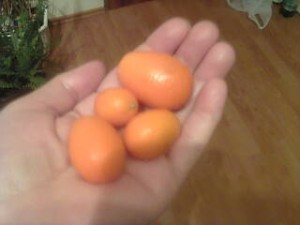
Nedavno sam prvi put probala sitnu narandzu kumkvat. Veličine je od lešnika do oraha, pomalo duguljasta. Pošla bila na pijacu da kupim sremuš, koga jedem svakodnevno kao salatu. Sremuš mi pomaže da očistim telo od otrova i svega lošeg što sam jela ove zime. Tek što sam uzela sremuš, vidim na tezgi neko sitno voće slično narandži. Prodavac mi galantno ponudi da probam kakav je to plod i ja naravno, pojedem jedan plod. Prijatno me je iznenadio tako snažan ukus i miris toga malog ploda. Ceo srednji deo ploda je kiseo, a bliže kori je baš sladak. Prodavac mi reče da se jede ceo plod zajedno s korom i semenkama. Semenke su dosta tvrde i nisam ih pojela, ali sam rešila da ih posejem. Videću da li će lepo nići.
Sada znam nešto više o ovoj voćci, koja će biti često na mojoj trpezi, kad god je nađem u prodaji.
Kumkvat vodi poreklo iz Azije, pa odatle i ovaj naziv. Ne podnosi jaku hladnoću, već voli toplije klimatske uslove. Može da se gaji u saksijama , kao sobna biljka. Naraste 2 do 3 metra u visinu i s takvom visinom može zaista lepo da uspeva i u zatvorenim prostorijama. Naravno, treba mu dosta svetla i pogodan supstrat. Listovi su mu sjajni,tamnozelene boje, a cvetovi bele boje i mirisni. Plod je bogat vitaminima i mineralima pa nam podiže imunitet, Bogat je vitaminima: C, A i B. Od minerala sadrži gvožđe, kalcij itd. Zimi će nam dobro doći da nas brani od prehlade, a ja ću ga baš rado koristiti. Koristiću i blender da bi tako lakše jela ceo plod sa semenkama.
Slikala sam kumkvat u mojoj ruci.
JABUKOVO SIRĆE ELIKSIR I LEK
Jabukovo sirće treba da se pravi od svežih i zdravih jabuka i to presanjem. Najbolje je sirće od divljih jabuka ,koje nisu ničim tretirane, pa su i najzdravije. Sadrži osim sirćetne kiseline dvadesetak minerala, pa još više od sedamdeset drugih korisnih sastojaka. Često sam čula da treba koristiti jabukovo sirće kao lek protiv holesterola i šećera u krvi, da pomaže kod mršavljenja.
Treba da se koristi svakodnevno za lečenje i poboljšanje opšteg zdravlja organizma. Samo jedna mala kašika svako jutro u vodi da se popije i to pre jela, mnogo pomaže za bolje funkcionisanje svih organa. Jača imunitet , sprečava stvaranje ugrušaka u krvi i time bolji rad srca i krvnih sudova. Pomaže smanjenju masnoće i šećera u krvi, pa tako i vitalnost celog tela. Sirćetna kiselina deluje kao antiseptik i prirodni konzervans. Sadrži kalcijum, jod, gvožđe, natrijum, kalijum, fluor, beta karoten i td. Pijenjem jabukovog sirćeta ujutro natašte, imaćemo dobru probavu i varenje, regeneriše sluznicu creva. Pomaže boljem radu jetre i žuči,te pankreasa. Bubrezima pomaže tako što pomaže protiv infekcije mokraćnih puteva.
Jabukovo sirće je dobro staviti na rane, prištiće, ogrebotine, osipe i td. Na opekotine valja staviti nerazređeno sirće da se ne stvore plikovi. Artritis, otečena stopala, proširene vene također ublažava upotreba ovog sirćeta. Kašalj se ublaži tako što se u pola šoljice meda umeša 4 kašičice sirćeta i pomeša, pa se to polako pije tokom dana. Kod glavobolje i migrene treba u posudu staviti pola sirćeta i pola vode pa neka samo počne da vri. Može se staviti dva decilitra sirćeta i dva decilitra vode i tim inhalirati i to tako da se pokrije cela glava peškirom. Udisati samo 5 minuta i posle toga leći i smiriti se.
Sirće od divlje jabuke lako se može kupiti u svakoj većoj prodavnici i svim prodavnicama zdrave hrane, tako da nemamo problem oko nabavke ovog zdravog leka.
MASAŽA ZA ZDRAVIJI I DUŽI ŽIVOT
Pronašla sam lako tačku ispod oba kolena koju masiram ujutro, da bi pomogla svom telu da dobro funkcioniše. Prvi put kad sam masirala ovu tačku ispod kolena, osetila sam nakon nekog vremena da sam jako opuštena i da ću brzo zaspati. To se događalo uveče, jer sam tad saznala za ovaj vid masaže. Bila sam nestpljiva da čekam jutro da bi pravilno primenila ovu masažu. Lako sam pronašla ovu tačku koju zovu Zu San Li- tačka za dugovečnost, ili tačka od stotinu bolesti. Kineska medicina posmatra telo kao energetski sistem i masažom na određene tačke utičemo na tok energije i time pomažemo našim organima da bolje funkcionišu. Ja sam od ranije znala za tačku između palca i kažiprsta, koju sam masirala čim me želudac nešto muči ili sam napeta iz nekog razloga. Sada ću rado da masiram ovu novootkrivenu tačku, kako bi pomogla boljem funkcionisanju moga tela.
Lako sam našla tačku Zu San Li i to tako što sam sela na pod, obe noge privukla sebi, oba stopala čvrsto pripila na pod i tad se pojavilo ispupčenje ispod čašice kolena. Masiram sredinu tog ispupčenja i to tačno 9 puta u smeru kazaljke na satu. Prvo masiram jedno koleno 9 puta, pa potom drugo 9 puta. Ukupna masaža treba da traje desetak minuta. Malo vremena utrošim za mnogo bolje zdravlje svoga tela. Postoji i drugi način određivanja ove tačke, pomoću šake. Šakom pokrijem koleno, pa je ta tačka između malog i domalog prsta.
Važno je napomenuti da treba da smo opušteni i smireni prilikom masiranja ove tačke, kako bismo zaista uspešno pomogli svom telu.
Pomoći će boljem varenju hrane, kod bolesti želuca i sreva, pa čak i kod posledica moždanog udara. Podstičemo imunitet, a to je jako važno. Zatim se normalizuje krvni pritisak, sve upale se suzbijaju, pa čak i insulinska bolest, gde se normalizuje glukoza i insulin. Pomaže kod impotencije, kod štucanja, kod zatvora, kod bešike, gastritisa itd.
Primenjujte ovu masažu da bi i vama pomogla, jer ništa nam preče nije od zdravlja.
Naročito je dobro i efikasno masirati se ovom metodom u vreme mladog meseca i to osam dana kasnije. Upravo tada ujutro udobno sedite, opustite se i masirajte vašu tačku Zu Sin Li. Deset minuta masiranja, a pomažemo sebi za dugovečnost.
Naročito je dobro i efikasno masirati se ovom metodom u vreme mladog meseca i to osam dana kasnije. Upravo tada ujutro udobno sedite, opustite se i masirajte vašu tačku Zu Sin Li. Deset minuta masiranja, a pomažemo sebi za dugovečnost.
Crna Cokolada: Zdravlje
Crna čokolada nas čini pametnijim i srećnijim, ali moramo imati meru u kojoj je koristimo. Samo par kockica je dovoljno u jednom danu da bismo pomogli svome zdravlju i zadovoljili svoja čula. Preterano jedenje bilo koje čokolade šteti našem zdravlju.
Kolumbo je bio prvi Evropljanin koji je u Americi video čokoladno drvo , a u Španiju je donesena prva kakao-čokolada 1528. godine. Indijanci su uživali u čokoladi stotine godina pre Evropljana. Kakaovac, latinski Theobroma cacao, u prevodu znači “hrana Bogova”,a ovo drvo u divljim šumama Amazonije naraste preko 100 metara. Gajena narastu dvadesetak metara visine. Plod kakaovca se melje u kakao, a od njega se pravi čokolada. Za dobro zdravlje korisno je jesti crnu čokoladu, odnosno onu sa sadržajem kakaoa 70 i više postotaka. Čokolada koju ja jedem ima 75 % kakaoa, a to je ona s nazivom “Najlepše želje”. Rado jedem i “Bambi ” čokoladu sa 70% kakaoa. Čokolada je bogata magnezijem, fosforom, gvožđem, kalijumom, cinkom, natrijumom i ima ispod 10 % proteina. Vitamini B skupine su zastupljeni i to: B1, B2, B5, B6 I PP. Sadrži i lecitin, beta karoten i folnu kiselinu. Čokolada podstiče stvaranja serotonina ” hormona sreće”, pa je i to dobro za naše zdravlje, da izbegnemo depresiju i loše raspoloženje. No, opet ponavljam da ne valja jesti mnogo čokolade odjednom, već samo kockicu ili 2 manje kockice. Alkaloid teobromin pomaže u regulisanju krvnog pritiska, opušta krvne žile i krv lakše kola do srca. Teobromin pomaže i boljem izlučivanju štetnih materija iz bubrega. Flavanol je suptanca u čokoladi koja povećava elastičnost arterija i pomaže da krv bolje kola kroz telo i do mozga, pa do mrežnjače oka. Tako čokolada pomaže i boljem vidu. Crna čokolada i kakao pomažu proizvodnju dobrog holesterola (H D L) koji štiti krvne sudove. Polifenoli u čokoladi su antioksidanti koji sprečavaju oksidaciju holesterola u krvi i začepljenje krvnih sudova. Također pomažu protiv raznih upala u telu, protiv reume, astme itd. Naš nervni sistem bolje funkcioniše ako jedemo čokoladu, ali samo u maloj količini.
Zaključujem ovaj tekst s porukom: jedite crnu čokoladu umereno i bićete zdraviji! Previše čokolade imaće suprotan efekat na zdravlje.
Kivi lekovitost – prava vitaminska bomba
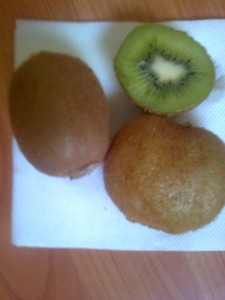 Kivi, latinski-Actinidaceae, smatra se “vitaminskom bombom” zbog bogatstva vitamina i minerala koje sadrže njegovi čupavi, smeđi, jajasti plodovi.
Potiče iz tropskih krajeva i kod nas u Sremu retko se gaji, ali ipak uspeva i ovde. Read More…
Šta koristim za prevenciju gripe i prehlade?
U mojoj kućnoj apoteci uvek se nalaze med i propolis. Kapi propolisa su moja prva prevencija, zajedno s medom u koga sipam kapi. To su prirodni antibiotici, koji mi pomažu da odmah krenem u borbu protiv bakterija i virusa koje pokupim šetajući i putujući autobusom. Kad počne sezona prehlade i gripe, teško se očuvati da ne oboliš. Samo uz pravu prevenciju to jeste moguće.
Ujutro uništavam otrove i bakterije u ustima mućkajući kašičicu hladno-ceđenog suncokretovog ulja nekih 15-20 minuta. Read More…
Da Tačno je, Piletina Pomaže u Lečenju Prehlade!
Piletina pomaže u lečenju gripa i prehlade. Valja je jesti iz više razloga, a jedan je taj što sadrži amino-kiselinu cistein. Cistein je zaslužan da se oboleli od gripa i prehlade mnogo brže oporavi i izleči.
Pileće meso je bogato vitaminom B3, te pomaže stvaranje energije u telu iz proteina, masti i ugljenih hidrata. Vitamin B6 iz piletine pomaže nervnom sistemu. Sadrži i selen, koji je važan u zaštiti srca i krvnih sudova. Ohrabruje podatak da su stručnjaci Bostonskog univerziteta dokazali da piletina pomaže u borbi protiv nastanka raka debelog creva, nasuprot lošem delovanju crvenog mesa na razvoj ovog raka.
Jako je bitno da se piletina dobro termički obradi, jer može u sebi da sadrži i neke bakterije. Ukoliko se meso ne obradi termički dovoljno, mogu bakterije iz piletine da uzrokuju obolenje urinarnog trakta. Mnogo je bolje koristiti u ishrani kuvano pileće meso, jer je delotvornije od prženog. Piletina koja nije organski gajena može sadržavati mnogo hormona, koji nisu poželjni za nas. Stoga bi bilo jako poželjno da kupujemo i jedemo samo organsku piletinu, koja ne sadrži loše hormone.
Nadam se i želim da što pre u našoj zemlji bude što više prirodno gajenog mesa, povrća i voća. Jer, hrana treba da nam bude i lek, a to znači zdrava i bez otrova.
Lavanda, mirisna i lekovita
Lavanda, (lat. Lavandula officinalis) je biljka koja svojim mirisom pleni, ali je za komarce i moljce loša, jer oni je ne vole. Posadimo li je u svom vrtu, na sunčanom mestu i uz malo nege, imaćemo prelepe grmove s ljubičastim cvetovima, koji će nas veseliti, a oterati dosadne komarce i muve.
Koliko je ova mirisna lepotica korisna za naše zdravlje ukratko ću navesti najvažnije o njoj. U kozmetici se mnogo koristi za dobijanje ulja i krema, ali ja ću istaći samo ono što je čini lekovitom za naše telo. Read More…
Hladno Cedjeno Ulje
Hladno ceđeno suncokretovo ulje koristim svako jutro da očistim sve otrove iz usta. Ujutro čim ustanem uzmem jednu kašičicu hladno ceđenog suncokretovog ulja u usta i držim ga tako oko dvadeset minuta.Pomalo ga grgljam, ali ne prejako, da ne bi došlo previše u grlo,j er može da dođe da ti se povraća. Inače nemaš nikakav osećaj osim da se u ustima stvori pena, koja je puna bakterija. Važno je da pena prilikom izbacivanja iz usta bude bela, ne žuta. Bela pena znači da je dokraja očišćeno sve i tad treba dobro oprati zube s pastom, tako da ništa štetno ne ostane u ustima.
Poželjno je i uveče da se ovo ponovi, ali isključivo na prazan želudac. Ja ovo činim svako jutro na prazan želudac,s tim što za tih 20 minuta, dok traje “grgljanje” skuvam kafu i čaj, obučem se i spremna za doručak. Toliko je to meni lako i rutinski,a efekat je odličan. Isto ovo preporučujem svakom tko želi da mu dah bude mirisan,a neprijatelji lošeg daha ubijeni. Inače hladno ceđeno suncokretovo ulje kupila sam u “zdravoj hrani” i nije preterano skupo. Dakle-počnite već sutra i bićete zadovoljni kao i ja.
Grčko seme ili piskavica
Grčko seme, ili piskavica-latinski naziv Trigonella foenum graecum. Seme ove biljke često koristim kao začin i zbog ukusa variva i ostalog što spremam za jelo, a isto tako jer je lekovito. Seme je žućkaste boje, blagog mirisa i gorkastog ukusa. Seme sam posejala u saksiju i lepo mi je porasla biljčica.
Oduševila sam se kad mi je procvetala i dala plod – malu maunu, poput rogova, a u njoj sitno seme.
Lekovitost piskavice je znatna: ishranjuje i čisti limfu i krv, koštanu srž, nervni i reproduktivni sistem. Pomaže kod varenja hrane, kod disajnih organa, urinarnog trakta i genitalnog sistema. Koristi se kod dugog kašlja, gripe, dzenterije, tuberkuloze, išijasa i neurastenije.
Verujem da će se mnogi čitaoci prijatno iznenaditi koliko je ova biljka lekovita. Klice ove biljke su dobre za jačanje muškog polnog sistema. Pomaže protiv šlajma. Pomaže varenje pa se semenke koriste kao začin, tek u malim količinama.
Samo jednu kašičicu semena valja potopiti u dva decilitra vode i zagrejati, ali da ne proključa, pa poklopiti. Kad se prohladi umešati jednu kačicu meda i piti. Također pomaže za sniženje šećera u krvi i holesterola. Nije preporučljivo da se grčko seme koristi ako imate hormonsku terapiju i u trudnoći.
Muškarcima pomaže jačanje potencije i uopšte polnog sistema. Porodiljama pomaže čaj ovog semena da im se materica brže oporavi i da ojačaju.
Ovo seme nije skupo i moze se naci u prodavnicama zdrave ishrane i kod nas.